
- Details
„They Poisoned the World: Life and Death in the Age of Forever Chemicals“-PFAS
Mariah Blake is an American investigative journalist and author. For many years, she has researched environmental, health-, and power-related issues at the intersection of industry, politics, and science; her work has appeared in publications such as The Washington Post, The Atlantic, Mother Jones, and Scientific American. She lives and works in the United States.
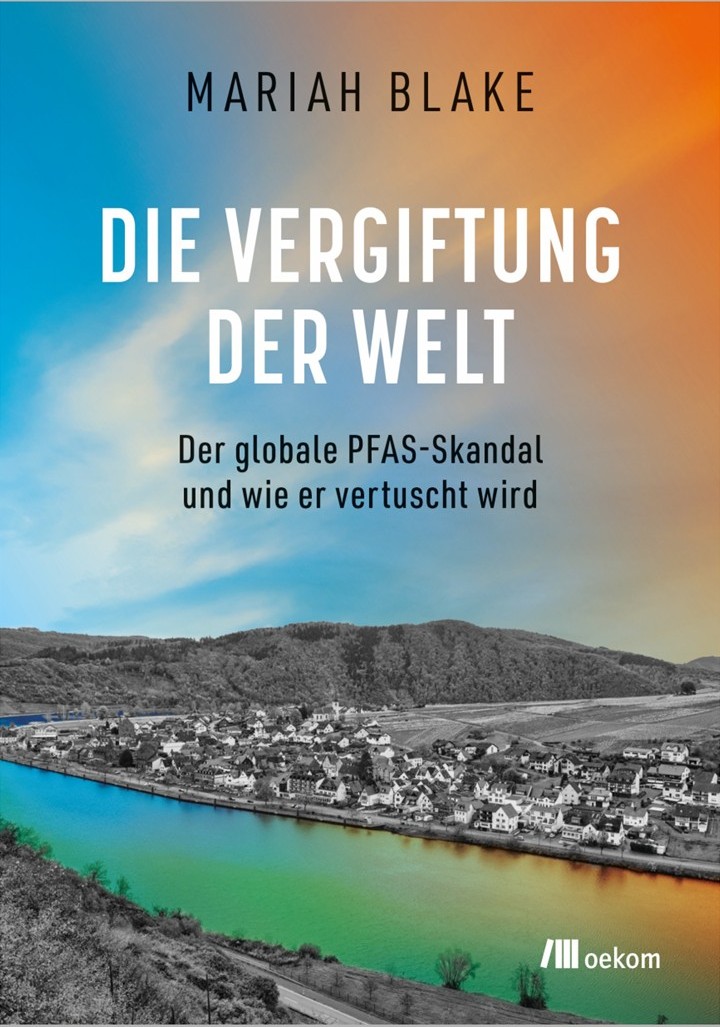
With her book “They Poisoned the World” she provides a comprehensive investigative account of the global PFAS scandal.
Over the course of eight years, she followed affected individuals, analyzed internal documents, and reconstructed the responsibility of chemical companies, regulators, and political decision-makers. The book is considered one of the most important recent works on so-called “forever chemicals.”
Blake's book is one of five finalists for the 2026 PEN/E.O. Wilson Literary Science Writing Award and one of five finalists on the shortlist for the J. Anthony Lukas Book Prize from Columbia Journalism School and the Nieman Foundation.
I had the opportunity to speak with Mariah Blake via video call for PFAS-Dilemma.info about her research, coinciding with the release of the German edition of the book: “Die Vergiftung der Welt.”
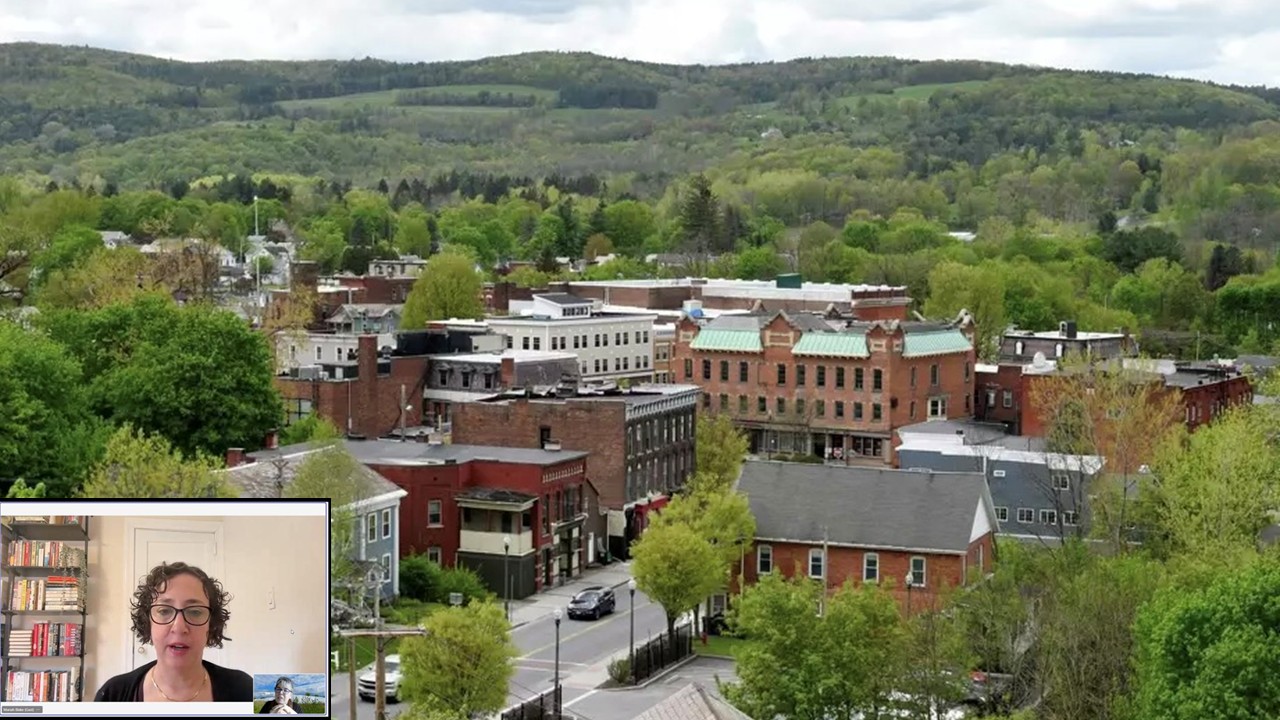
Mariah, you spent eight years conducting intensive research for the book “They Poisoned the World.” What motivated you?
Mariah Blake: I first became interested in toxic chemicals when I was pregnant with my son back in 2010. I knew that certain chemicals could be extremely harmful to developing fetuses and young children, and I wanted to figure out how to protect my family.
During my research, I stumbled across a lawsuit that a family of farmers in West Virginia had filed against the chemical company DuPont. In the 1980s, the family had sold DuPont a piece of land that the company used as a landfill. Afterward, their cows began sprouting tumors, vomiting blood, going blind. Soon the cows were dying faster than the farmers could bury them. The family was convinced the landfill was to blame, so they sued DuPont. Their case wound up exposing a staggering cover-up involving so-called “forever chemicals,” or PFAS, which were already in the blood of nearly every person on the planet. Yet neither the public nor regulators even knew these chemicals existed until the farmers brought their case.
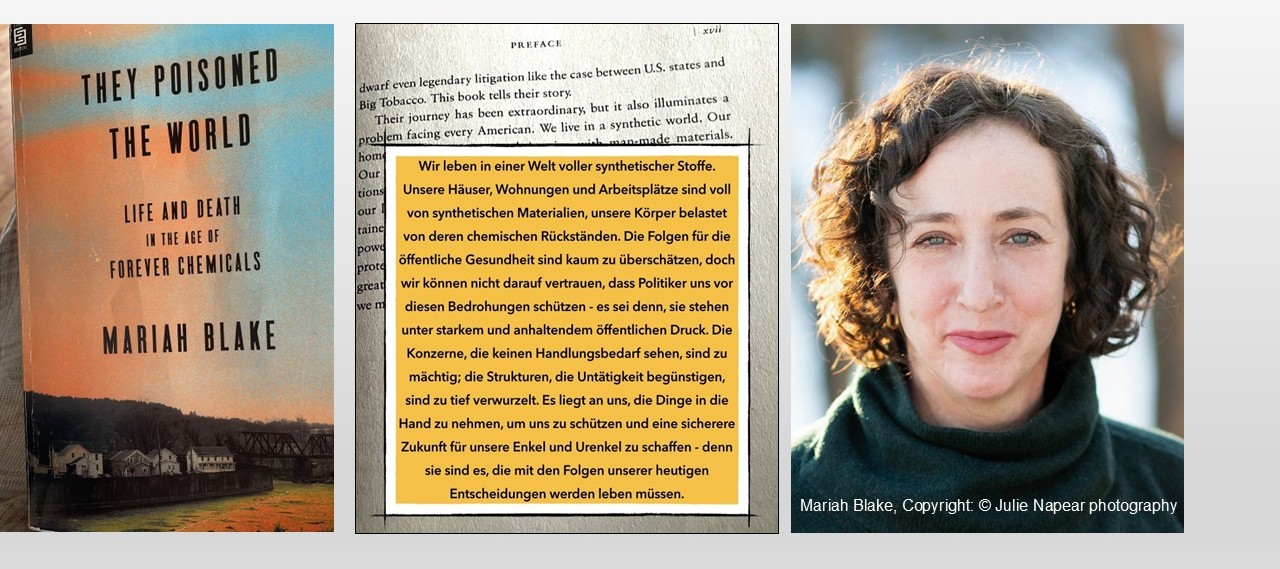
I wound up writing an article about the farmers' battle against DuPont. It left me with a lot of questions, the central question being: How could this have happened? How was a small group of companies allowed to pollute the entire planet with this class of chemicals without regulators or the public even knowing it was happening? That was the driving question behind my book.
In your book, you trace the history of PFAS up to the present day and examine the role of industry, regulators, and scientists. What surprised you most?
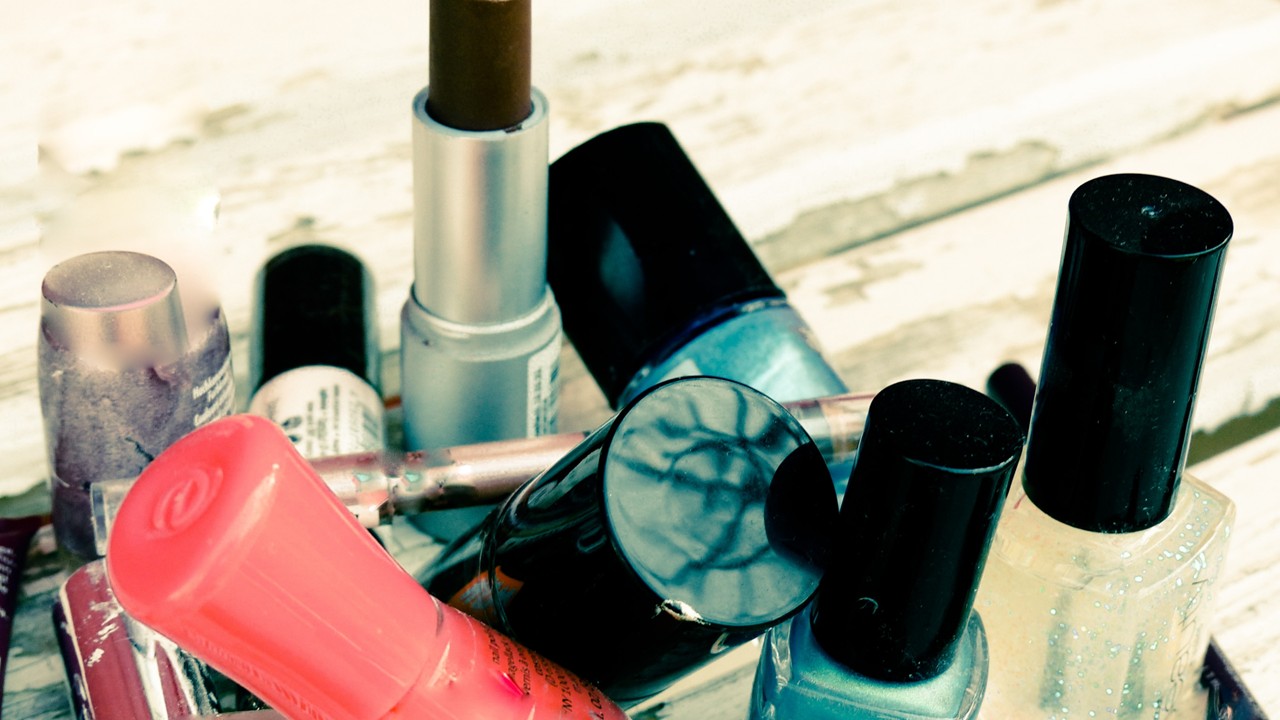
Mariah Blake: I was particularly shocked to discover that these chemicals that are now in thousands of everyday products—everything from dental floss and lipstick to kitty litter and cell phones—were developed by the U.S. government as part of the Manhattan Project, the secret program to develop the atomic bomb. So, just as there were physicists all across the U.S. working to develop nuclear fuels and the bomb itself, there were chemists all across the country working to produce PFAS because they were essential for uranium enrichment.
This is something that had never been reported before my book came out.
Crucially, it was clear from the start that these were dangerous chemicals. The factories where they were produced was prone to explosions and fires. Workers were regularly hospitalized with breathing problems, chemical burns, or worse.
But it wasn’t just workers who were affected. Farmers downwind of the plant began complaining that their peach crops were “burning up,” that their cows were so crippled they couldn’t stand. In some cases, farmers themselves fell ill after eating the produce they picked.
The farmers’ complaints alarmed Manhattan Project officials, who feared the farmers would sue, potentially opening the government to enormous liability and jeopardizing the secrecy of the project.

So, project officials launched a medical research program to study PFAS and defend against potential “medico-legal” claims. By 1947, they had established that these chemicals were highly toxic and were accumulating in human blood, but they buried these findings.
Similarly, starting in the 1960s, the companies that produced these chemicals commercially compiled a trove of data showing that they were highly toxic, that they persisted in the environment indefinitely, and that they were in the blood of virtually every person on the planet. But they withheld most of these findings from regulators.
Almost everything we know about these chemicals today is thanks largely to ordinary citizens, people like the West Virginia farmers, who stood up to powerful interest–often at great personal expense–and achieved some improbable, remarkable victories.
You described in your book the history of PFAS in Hoosick Falls and the people being affected; how did this develop?
Mariah Blake: When set out to write “They Poisoned the World” in 2016, almost no one outside scientific circles had heard of PFAS, and only a handful of communities anywhere were known to be contaminated with these chemicals. But as I was researching, stories about the Upstate New York village of Hoosick Falls began popping up in the news.
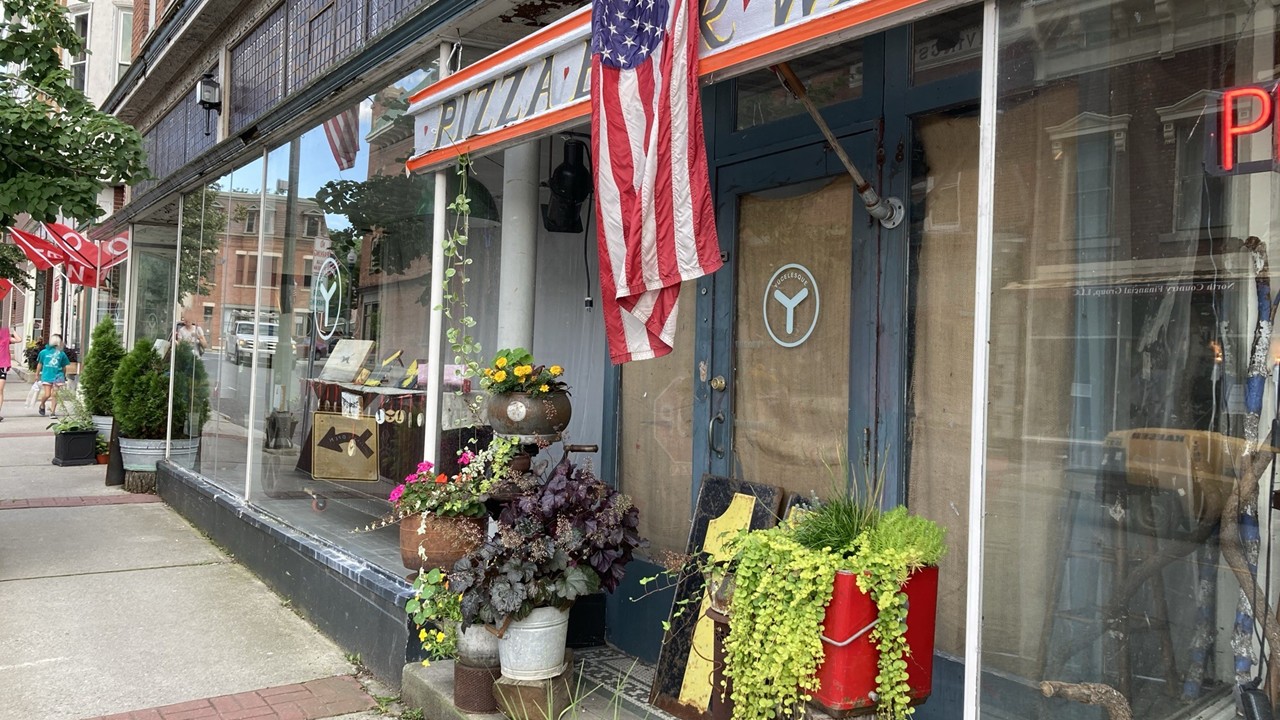
It turned out their drinking water was heavily contaminated with PFAS, but the problem had only come to light because a local man named Michael Hickey began to suspect there was something was wrong after losing his father and several friends to cancer. He ordered a test kit and sampled his own tap water along with water from several local businesses and discovered extremely high levels of PFAS.
Intrigued, I traveled to Hoosick Falls to meet Michael, who turned out to be the least likely activist you could imagine. He’s an unassuming insurance underwriter who never cared much about politics or environmental issues. He liked to joke that he got his political news from ESPN, the sports channel. Yet somehow, he was spearheading a fight against several multinational corporations and government agencies to get clean water for his community. And their residents had joined him in the fight.
Like Michael, these were ordinary people who had spent their lives avoiding politics, trusting there were systems to protect them. Now that trust was shattered. It was devastating, but instead of becoming resigned or cynical, they fought like lions to change the system because they thought best to protect their families and community.
I didn’t know exactly what I was witnessing, but I had a sense that it was something powerful, so I decided to spend more time in Hoosick Falls and see where their struggle lead. I wound up spending eight years basically embedded in these people’s lives.
What do you see as the “turning points” in the PFAS story?
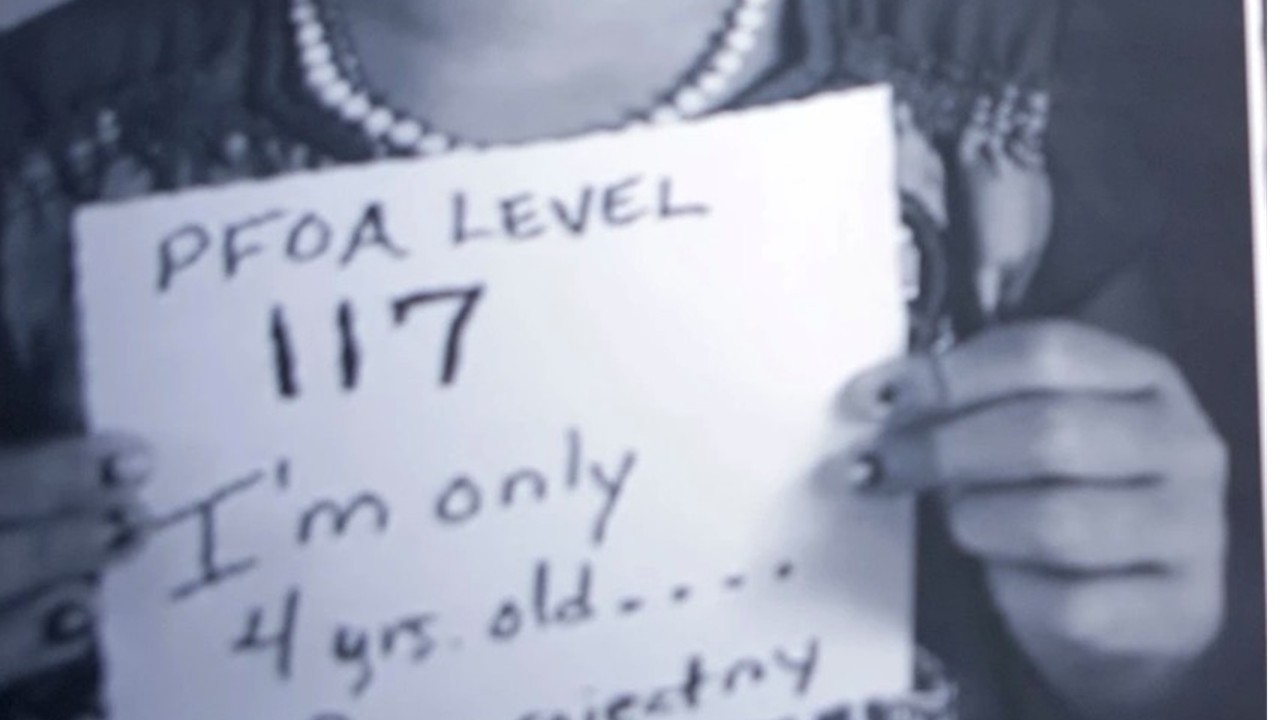
Mariah Blake: There were a lot of turning points. While I was following the events in Hoosick Falls, tens of millions of people across the United States began learning their drinking water was contaminated with PFAS, and variations of what was happening there started happening all over the country.
Thousands of ordinary people—farmers, factory workers, suburban moms—whose lives have been upended by PFAS contamination began demanding action from political leaders and fighting to hold polluters accountable. They turned out to be remarkably effective.
Thanks largely to their efforts, U.S. states wound up passing nearly 200 laws restricting PFAS, including 16 full or partial bans on the entire class of chemicals in consumer goods.
This is revolutionary because that’s not the way we regulate chemicals in U.S., or Europe.
Normally, we regulate them one by one, but these state-level laws are banning the entire class of chemicals. The U.S. EPA has also set strict standards for two PFAS in drinking water. And we have a tsunami of litigation against PFAS manufacturers. More than 15,000 cases have been filed so far.
The surge in U.S. regulation combined with the surge of litigation—and the class-wide ban on PFAS that’s in the works in Europe—is prompting large swaths of the economy to voluntarily move away from PFAS.
3M, which had been the world’s largest manufacturer of these chemicals, reportedly quit producing earlier this year. And dozens of major retail chains like Apple, McDonald’s, and Amazon have announced that they will reduce or eliminate PFAS in their products and packaging. So, there is a hopeful dimension to the story.
Industry is lobbying hard to defeat regulation on both sides of the Atlantic, but ordinary citizens are fighting back and, in many cases, making remarkable headway. This is an important lesson to keep in mind as the EU finalizes its class-wide PFAS ban—a historic opportunity to protect the public health.
The chemical industry and its army of lobbyists are fighting to undermine meaningful restrictions. The best way to guard against this is intense, sustained public pressure.

If people are concerned about PFAS and their exposure to it, are there practical steps that people can take to limit their exposure to protect themselves?
Mariah Blake: Yes, absolutely. The first thing I would advise people to do is to filter their drinking water with a system that's certified to remove PFAS, even if they haven’t yet had their water tested. A simple under-sink system will do the trick for most people.
I also suggest people avoid products that are marketed as waterproof or stain proof. And try to use natural materials like stainless steel and glass for cooking and food storage. This is something that will protect you from all kinds of toxic chemicals because there are a variety of toxic chemicals in plastics and other synthetic materials.
Limiting microwave popcorn and fast-food packaging is another good way to limit your exposure because the popcorn bags and packaging often contain high levels PFAS (though the formulations are changing).
There are also interactive resources like the ToxFox app that people can use to educate themselves about toxic chemicals and how to avoid them.
And one final question: what would you like to see happen with regard to the future of PFAS?
Mariah Blake: I'm a journalist, not an activist—but almost everyone who studies PFAS has reached the same conclusion: we need to turn off the tap on these chemicals.
All of the PFAS already in the environment will be with us for centuries. Even if we never produce another molecule, our great-great-grandchildren will still be dealing with this problem. It’s time to stop their irreversible accumulation in the environment.
Mariah, thank you very much for answering my questions!
©Patricia Klatt / pfas-dilemma.info
Further Reading:
Book Review:
- Blake, M. (2026). *They Poisoned the World – Book review*. PFAS Dilemma. (https://pfas-dilemma.info/medien/101-pfas-buch-blake )
Reports / Research:
- Bericht der Europäischen Kommission, Januar 2026; European Commission: Directorate-General for Environment, Ricardo, Trinomics and WSP, The cost of PFAS pollution for our society – Final report, Publications Office of the European Union, 2026, https://data.europa.eu/doi/10.2779/9590509
- Scheringer, M., Arp, H. P. H., & Cousins, I. T. (2026). Boundaries, limits, global threats – How can the impacts of global synthetic pollutants be reduced? Environmental Science & Technology. Advance online publication. (https://doi.org/10.1021/acs.est.5c13807)
- Center for International Environmental Law & Corporate Europe Observatory. (2026). The pollution playbook: How industry blocks regulation of toxic chemicals (Issue brief). Center for International Environmental Law & Corporate Europe Observatory. (https://www.ciel.org/wp-content/uploads/2026/01/The-Pollution-Playbook-How-Industry-Blocks-Regulation-of-Toxic-Chemicals.pdf )
- The Forever Pollution Project. (2025). Tracking PFAS across Europe. [https://foreverpollution.eu/](https://foreverpollution.eu/ )
- Goodman, A. (Moderator). (2025, 8. August). “They Poisoned the World”: The corporate cover-up & fightback against PFAS, “forever chemicals” [Radio-/Audio-Podcast]. Democracy Now! – Democracy Now!. https://www.democracynow.org/2025/8/8/forever_chemicals
- Brangham, W. (Moderator). (2026, 31. Januar). How PFAS harm our health — and why they’re everywhere[TV-Episode]. In Horizons with PBS News. PBS. https://www.pbs.org/newshour/video/horizons/2026/01/how-pfas-harm-our-health-and-why-theyre-everywhere