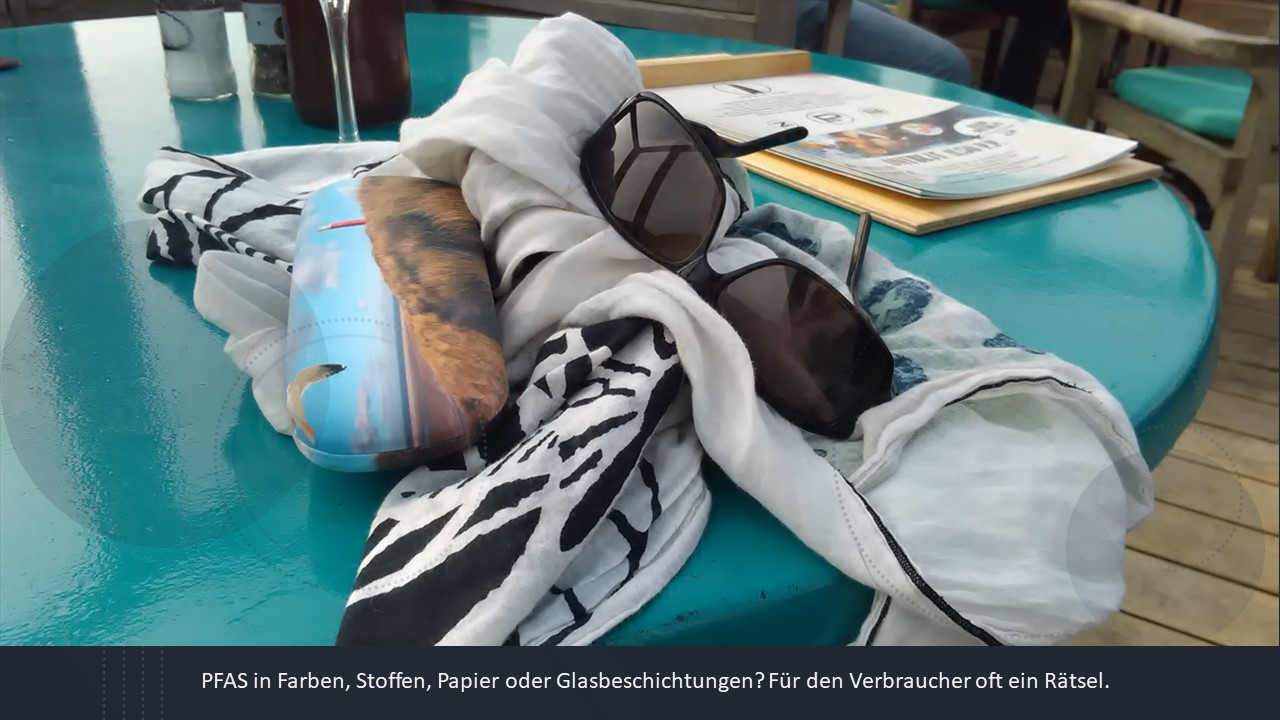

- Details
A title, rarely well chosen…
“The way forward” sounds like solutions, perspectives and progress – and that is exactly what the final ZeroPM event was about. In early September, the European ZeroPM project held its closing event in Brussels. For me, it was the fourth in-person ZeroPM event, following Gothenburg, Rastatt and Dessau.
My point of view (English/German) below:
👉hier geht es zur deutschen Version des Textes
My personal role? It involved two things: first, being there for the PFAS region of Central Baden and “translating” the findings for those affected; and second, getting to know scientists, NGOs, politicians, journalists and industry representatives in person. Over the past five years, this has made me part of the PFAS network – which, when it comes to almost any PFAS question, is really only an advantage.
As Reiner Söhlmann, the former PFAS officer of the Rastatt district, once put it so aptly: “We have direct contact, we can ask the right people our questions, and we can test research approaches directly in our region.” That is exactly what happened with the Rauental and Ottersdorf waterworks (Rastatt municipal utilities), where the TZW in Karlsruhe, a ZeroPM partner, is directly testing the performance of activated carbon filters and downstream ion exchangers.
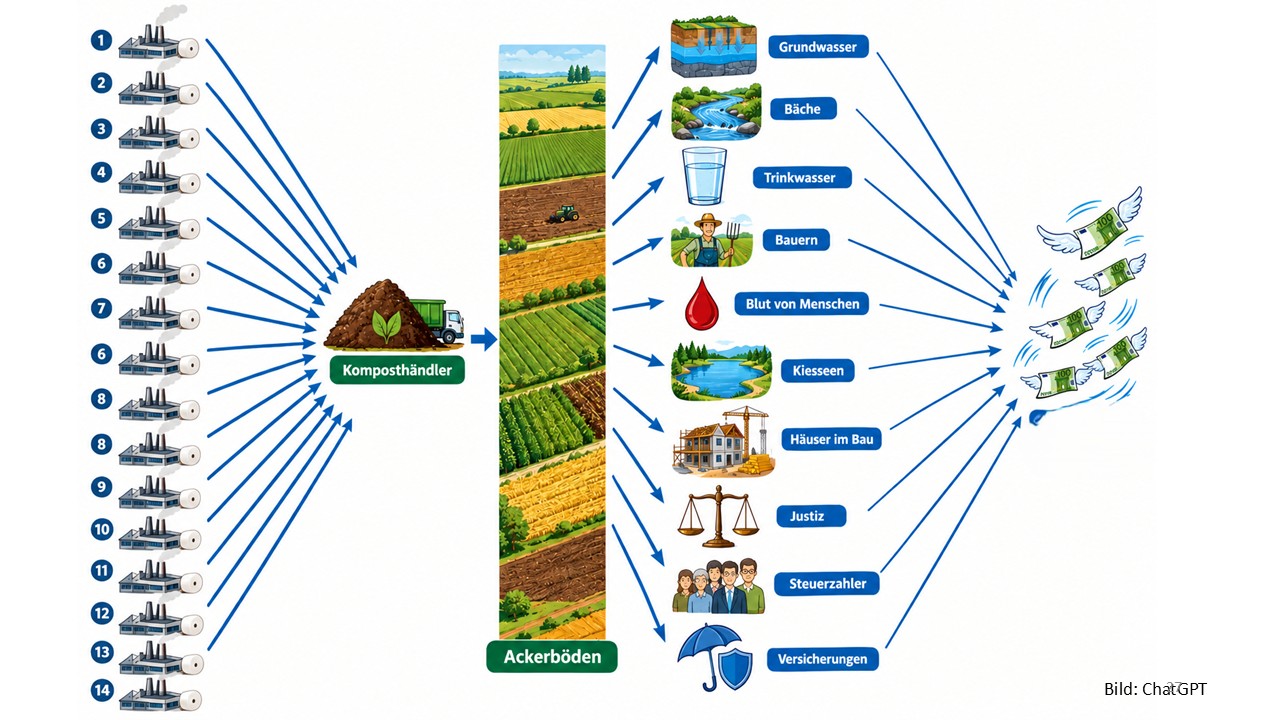
For the record: a quick look at PFAS in Central Baden
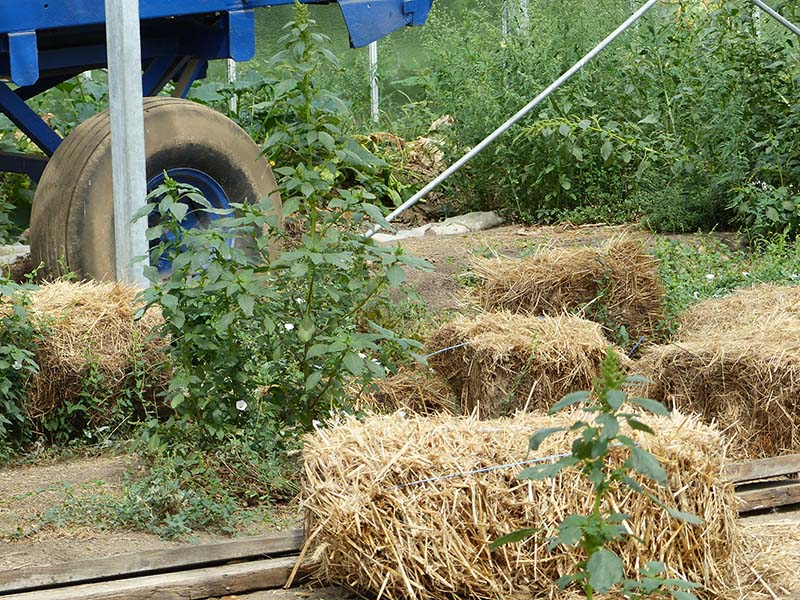
From the early 2000s, paper sludge compost was spread on the fields (14 paper mills supplied a regional compost dealer); nobody was thinking about PFAS. Today, the chemicals are in the soils (1,105 ha) and in the groundwater (>127 km²); drinking water has to be treated to remove PFAS, agriculture is being monitored, people have it in their blood (with a downward trend), construction projects are affected, the gravel industry is affected, bathing lakes contain PFAS. PFAS costs: more than €50 million – and still counting.
ZeroPM, my personal takeaways
Three days of PFAS in a nutshell: analyses, definitions, classifications, treatment and remediation options, and much, much more (for details, see ZeroPM). These are problems I also know from Central Baden: what is in the soils, how can it be analysed and measured, what options do we have for treatment, how much does it cost, and who pays for it?
The last question has not yet been finally settled by the courts in our case; the compost dealer has to answer in civil and administrative law proceedings, while the paper mills that supplied the material are conspicuously absent.
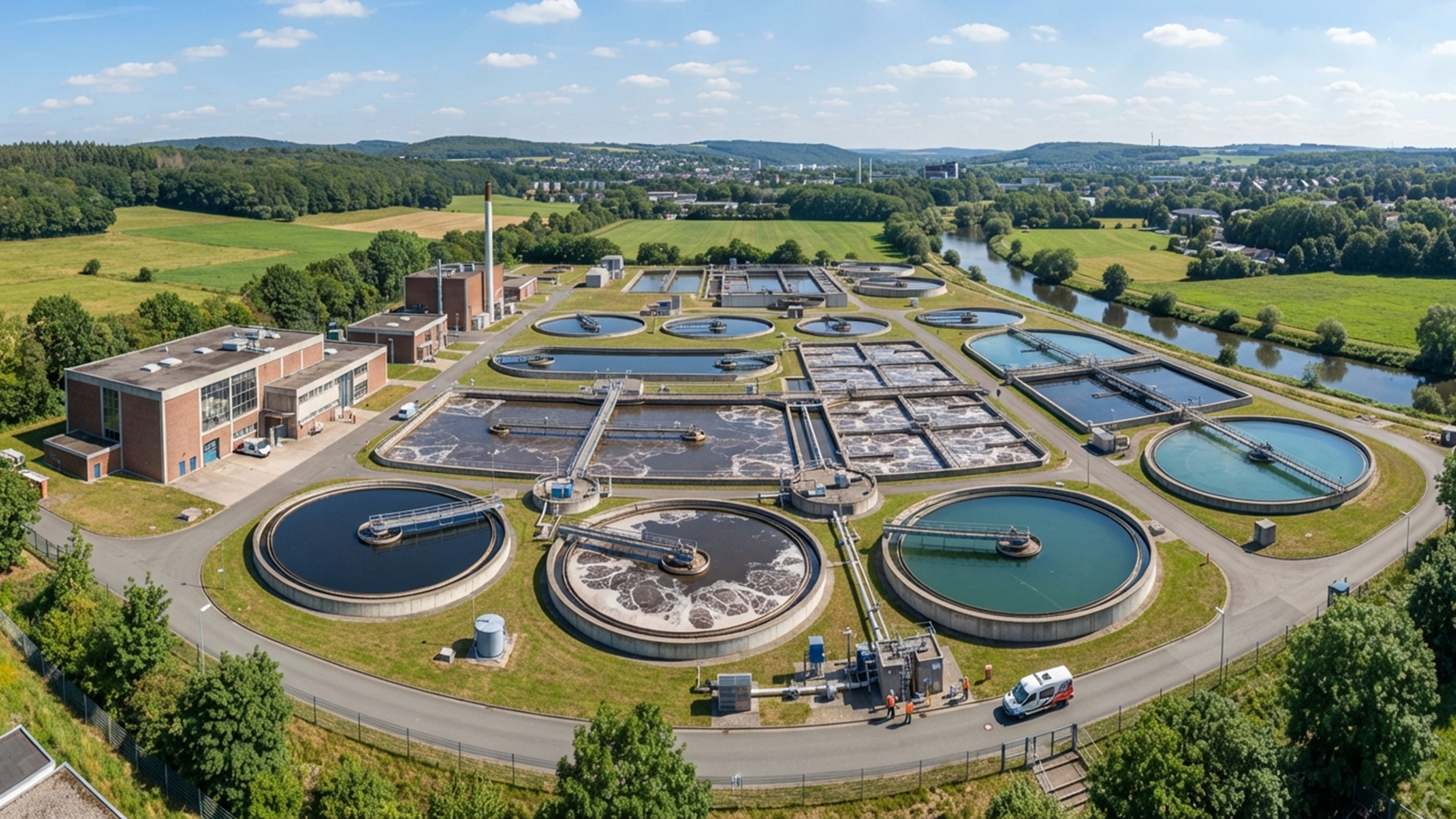
What ended up on our fields reaches wastewater treatment plants in a different form and from other sources. Do you wash your outdoor clothing? Wastewater treatment plant! Do you remove your make-up? Wastewater treatment plant! Toilet paper? Wastewater treatment plant! The PFAS swim around in the wastewater and have to be removed there as well. The treatment plants need special treatment stages for that – and those cost money.
The question discussed during one of the panel discussions was: does it make sense to invest so much time, money and research into destroying PFAS or removing them from wastewater treatment plants, while the chemicals continue to enter the environment unchecked?
For Oliver Loebel of EurEau, the answer was clear: “The big phase-out is the first option”!
PFAS: here, there and everywhere
PFAS and their uses are one thing; remediation is another. And hanging over all of it is the question: can PFAS actually be replaced? Some (industry) say no – and if at all, then certainly not quickly. Others went looking and compiled alternatives to PFAS in a database, as Romain Figuière presented: 532 different potential alternatives across 15 application categories; for only 83 applications was no alternative found.
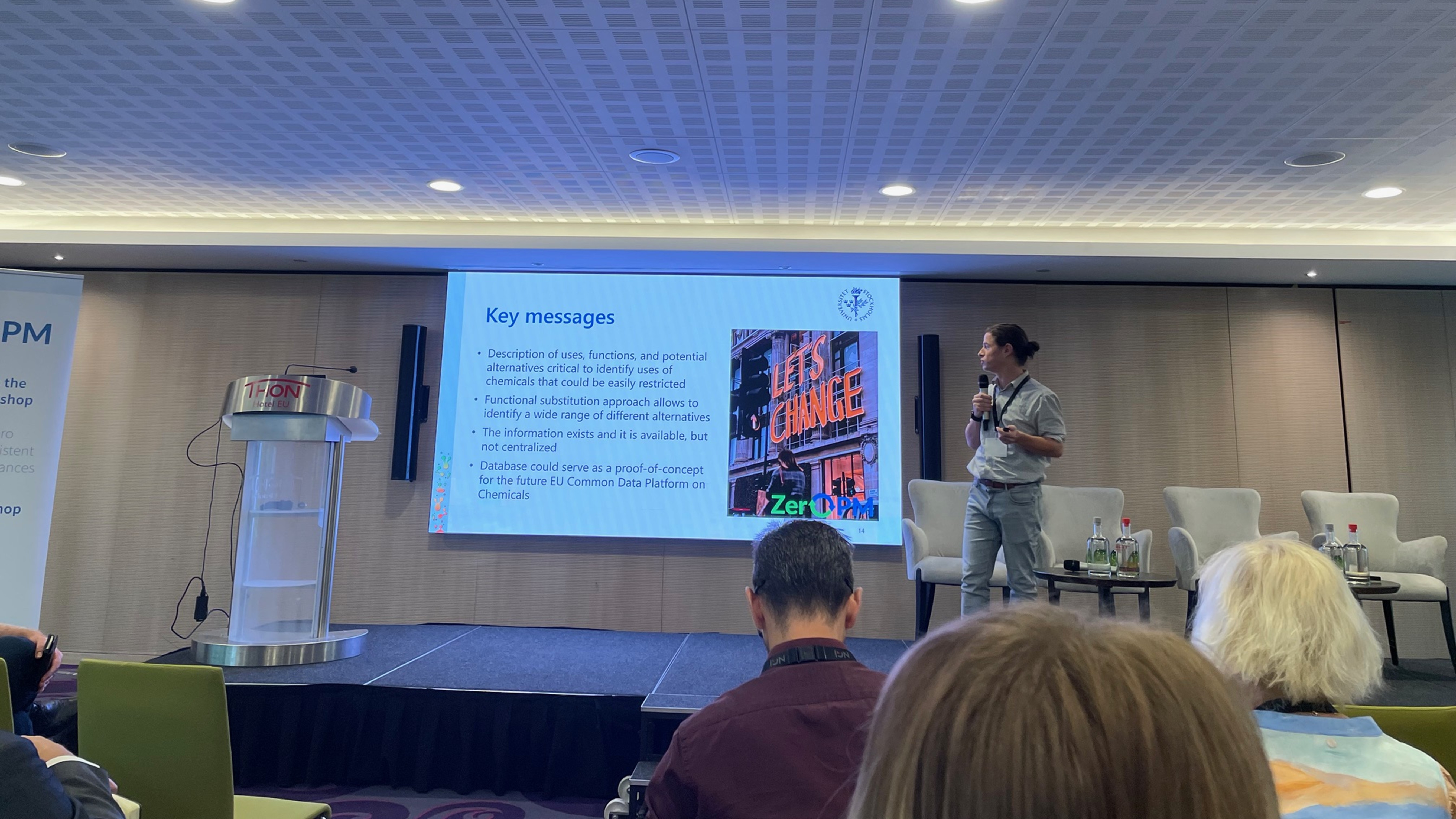
A common EU data platform for chemicals would be desirable. It could help authorities and the public quickly find out which chemicals are used where, what is known about their risks, and whether safer alternatives already exist. The ZeroPM database for assessing alternatives is a proof of concept for such a platform: it goes beyond hazard data alone and helps identify and prioritise suitable alternatives to problematic chemicals. And the project also provided practical tools for searching for PFAS alternatives.
How much PFAS are we talking about?
That was another interesting question – one that left me somewhat speechless. Emma Schymanski juggled the numbers from PFAS data research in PubChem: from 6 million in 2021 to 8 million in 2026, and raised the question of transformation products. Alongside this came the appropriate digital tools for identifying, researching and assessing PFAS and their transformation products (TPs) more systematically.
How many PFAS can produce TFA?
I found the results only moderately reassuring: PubChem alone contains more than 2.5 million potential TFA precursors – and the team predicted a total of 13,678,364 TPs for the global chemical inventory; most of them do not even have names yet. In the face of this sheer mass of numbers, substance-by-substance regulation took on an almost slapstick quality, because with several million compounds, nobody can come up with a convincing justification for such an approach.
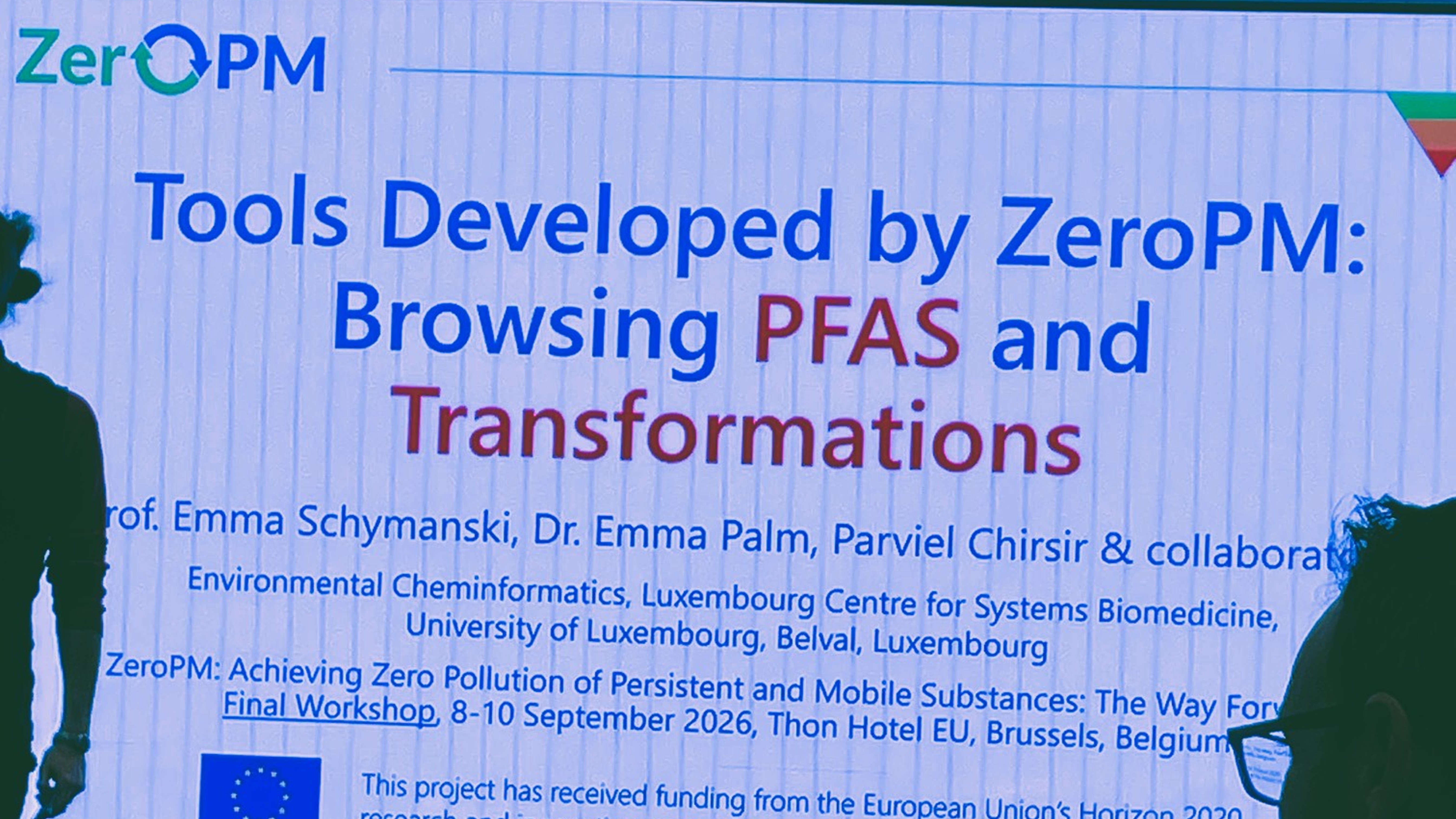
So: group-based regulation. But how do you group them? Functional groups, mobility, persistence? There was plenty of discussion and reporting over the three days, but one thing became clear from the very beginning: regulation and restriction are the more sensible option.
What do “ordinary people” know about PFAS?

The honest answer has to be: very little. What do they know about the various uses of PFAS in their everyday lives? Also very little. Would they give up PFAS in everyday life? Nobody knows – even if industry likes to claim that people want products with this or that convenience, and that this, sadly, sadly, can only be achieved with the use of PFAS. A radiant complexion thanks to PFAS? Doesn’t really convince me.
That is why I found the work by Sabine Pahl and Ellise Suffill particularly fascinating. They looked at labelling and the use of PFAS labels. The result: warnings deter people. A red warning symbol (“Contains PFAS”) or a poor traffic-light rating (grade C/E) reduces consumers’ willingness to pay by around 8% and purchase intention by 10 to 29%. “PFAS-free” has a positive effect, and closeness to the body amplifies it: the closer a product comes to one’s own body (e.g. toothpaste rather than household cleaner), the more sensitively people react.
And the climate crisis?

Not only for everyday products, but also for the green energy transition, the same applies: there are no clean PFAS. Ian Cousins put it succinctly. Many components that we urgently need for the energy transition – whether in wind turbines, EV batteries or modern heat pumps – are today packed full of forever chemicals. Initially safely installed, but at the latest during manufacturing and later recycling, they inevitably pollute our environment. “Where? Why? Is there another way?” – apparently, yes, because “it is possible to produce PFAS-free lithium-ion batteries through the right choice of materials,” as Cousins said.
A shame, really, that no wind-power opponents were present; they might have been surprised to learn that wind turbine blades do not contain PFAS at all. “Used in the past? A widespread misconception?” In any case, today they can be produced in large quantities PFAS-free.
And the PFAS crisis?
Research can provide the data, identify alternatives and point towards solutions. But none of this will be enough unless the findings are translated into political action, effective regulation and greater public awareness. At the ZeroPM event, it became clear that all three are needed to tackle the PFAS crisis.
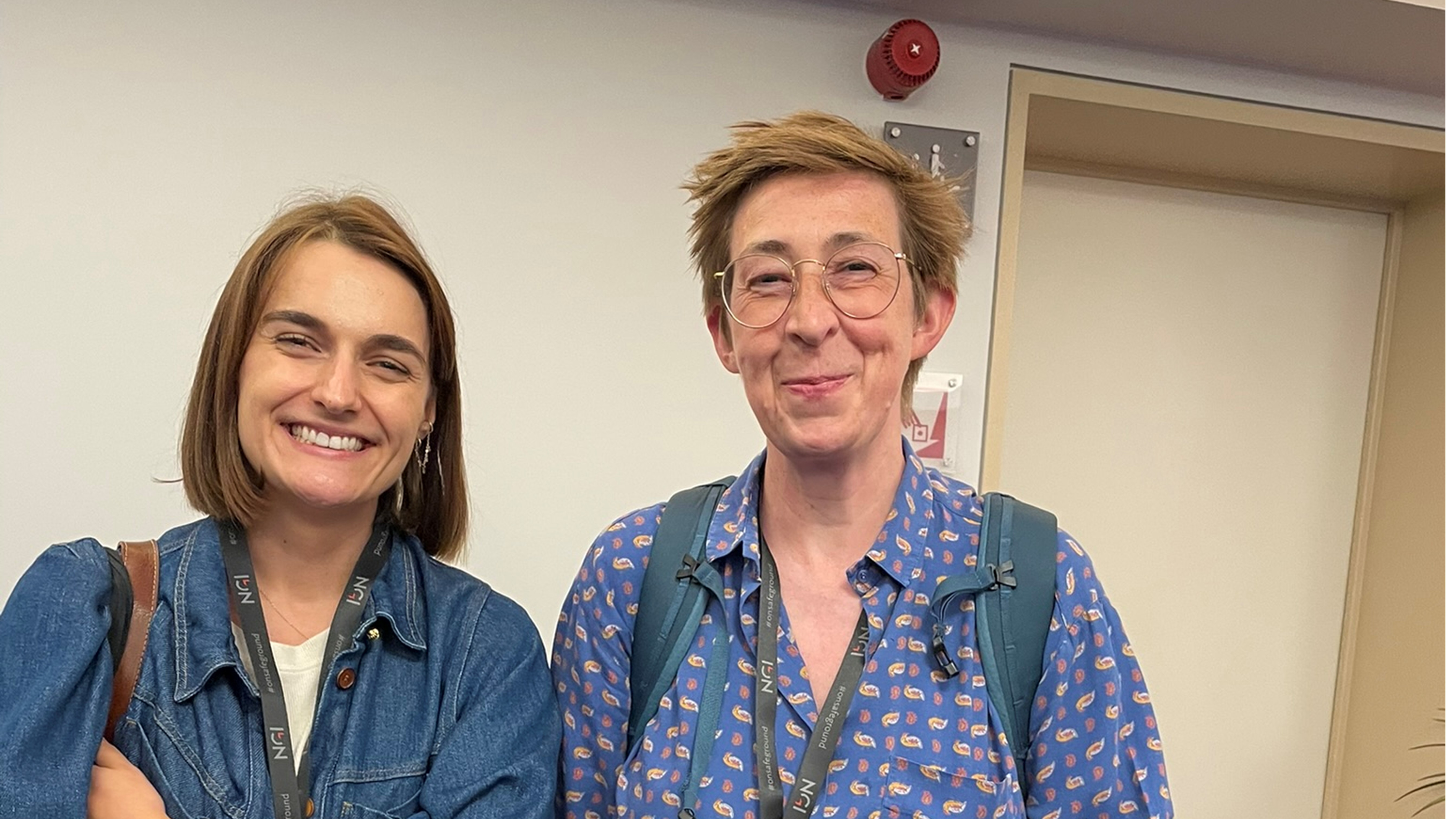
And with that, I am back at the PFAS network – none of this works without it; incidentally, not away from the public eye either. The Forever Pollution Project, which made Europe-wide PFAS contamination visible for “the man and woman in the street”, emerged from precisely that PFAS network – from journalists and scientists – and was presented here by Raphaëlle Aubert and Stéphane Horel (s.photo), both of Le Monde. “We asked journalistic questions,” said Horel, who had to fight against massive lobbying. And it is clear that corporate misconduct and economic crime are not possible without state inaction.
For the EU politicians presenting, too, PFAS were a concrete mandate: more data for more protection, the PFAS Remediation Map, the recommendation for an EU-Persistence-Knowledge-Centre for PFAS as part of the Common Data Platform – the EU’s large legal umbrella. All of this is on the agenda.
Lise Oulès put it succinctly: Accept research contributions for all types of data with a clear submission policy!
My personal highlight?
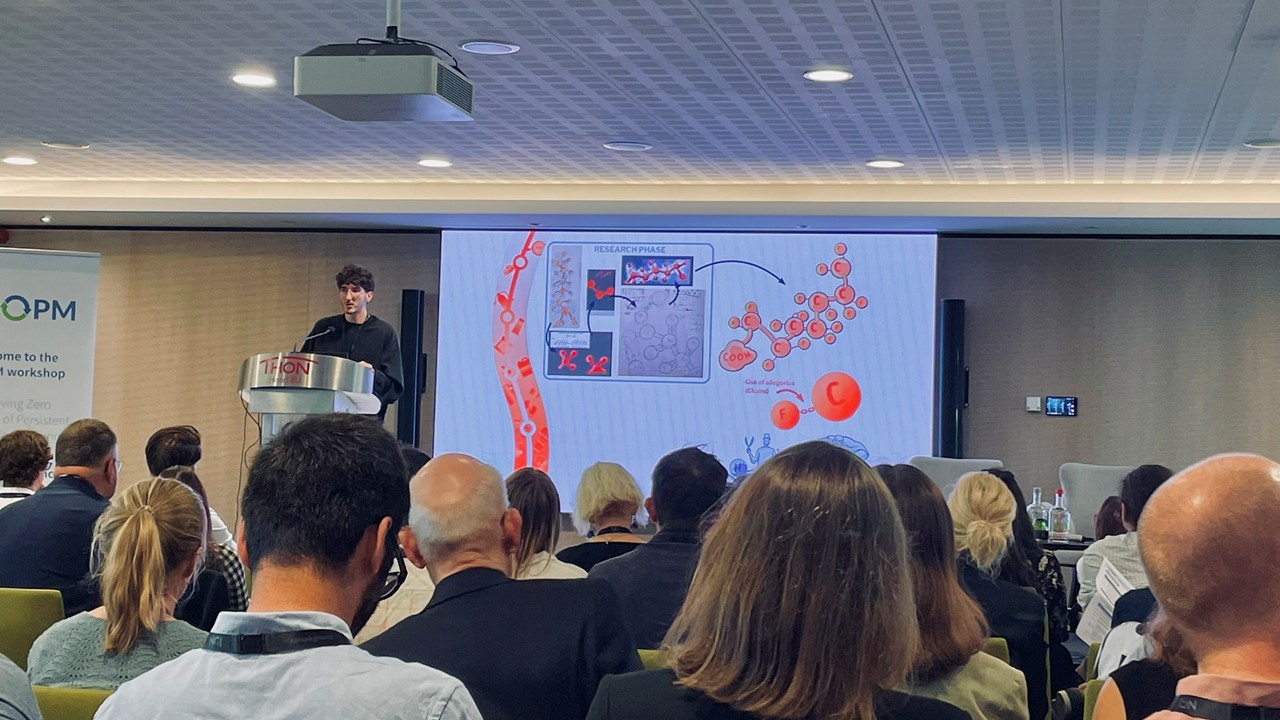
Without any doubt, it was the work of Mathys Favre, the scientific illustrator, who explained the PFAS issue brilliantly through his images. For years, I have wished we had something like this for our PFAS case in Central Baden. Mathys, if you ever find yourself in our part of the world and would like to draw wells, farmers and pre-harvest monitoring, please do get in touch!!
And now, of course, my special thanks go to Sarah and Hans-Peter, who guided us through the workshop so wonderfully – and with such good humour. It was a pleasure to be there, and I thank you and everyone else involved, as well as the organising team, for these three PFAS days: super exciting, super interesting, and with so much information that my head was spinning.

Links:
- ZeroPM. (o. D.). ZeroPM: Zero pollution of persistent, mobile substances. https://zeropm.eu/
- ZeroPM. (o. D.). ZeroPM policy briefs. https://zeropm.eu/zeropm-policy-briefs/
- Norwegian Geotechnical Institute. (2026, October 1). Emissions of PFAS must be stopped to protect human health and the environment. https://www.ngi.no/en/news/emissions-of-pfas-must-be-stopped-to-protect-human-health-and-the-environment/
- Stockholm University, Department of Environmental Science. (2026, 6. Oktober). Honorary doctor Stéphane Horel on PFAS, pollution and industry influence. https://www.su.se/english/divisions/department-of-environmental-science/news/articles/2026-10-06-honorary-doctor-stephane-horel-on-pfas-pollution-and-industry-influence
photos: Patricia Klatt, wastewater treatment plants: Google-AI
© Patricia Klatt/pfas-dilemma.info